Mining / Aggregate
Wheel loaders and mid-size excavators sized for crusher feed rates. We map bucket capacity to belt tonnes-per-hour so the face does not starve the plant — and stock undercarriage kits for abrasive rock.
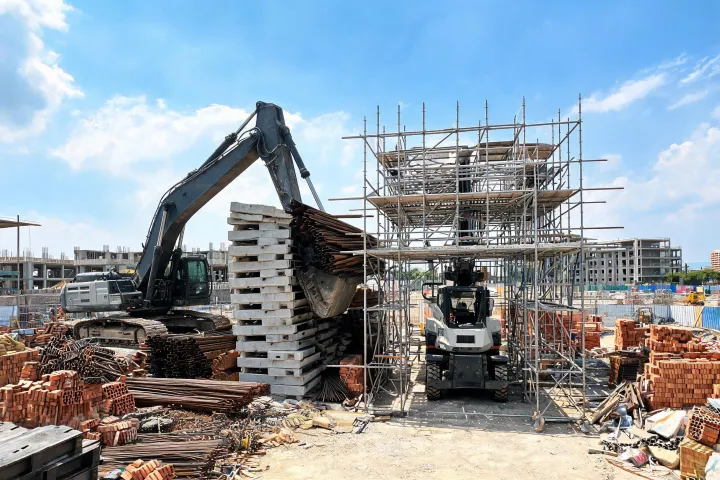
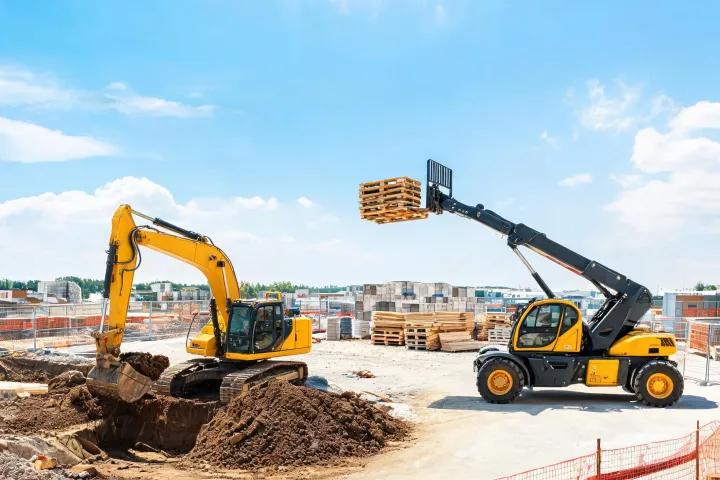
Mining, road, building and water projects fail when the machine class is guessed. Punch in the scene, annual hours and primary task — we return a backhoe, telehandler or excavator package your dealers can quote. The matcher does not replace a load chart or emissions certificate; it shortlists the class so application engineers spend the first call on dig depth, reach and emissions details instead of re-explaining basics.
Interactive layout — same structure as a savings calculator, rewritten for equipment selection instead of fuel math.
Wheel loaders and mid-size excavators sized for crusher feed rates. We map bucket capacity to belt tonnes-per-hour so the face does not starve the plant — and stock undercarriage kits for abrasive rock.
Backhoe loaders handle trench and shoulder work while compaction attachments finish the lift. Application notes cover pipe bedding, temporary traffic management clearances and Tier 4 Final paperwork for public jobs.
Telehandlers for 2–4 storey material placement plus mini excavators for foundations. We separate telehandler vs crane decisions using load-chart checkpoints so cladding lifts do not steal tower-crane hours.
Long-reach excavators and slope-stable carriers for canal rehab and flood-defence berms. Soft-ground undercarriage options and Stage V packages help tenders clear environmental reviews. Hydraulic cleanliness targets stay at ISO 4406 18/16/13 because silt-laden return oil is a common failure mode on riverside jobs.
If your project mixes scenes — for example quarry feed plus highway trench work — run the matcher twice and send both outputs with the inquiry. Dealers then propose a shared attachment kit and a parts stocking plan that covers both duty cycles without double-ordering undercarriage shoes.
These are the disputes equipment buyers raise on RFQs. We show both sides so the matcher shortlist is not treated as a single “correct” machine.
Electric preferred: zero on-site NOx/PM and lower indoor ventilation load — useful for tunnels, hospitals and night shifts with noise caps. Charge planning and battery cycle life become part of the bid.
Diesel Stage V preferred: longer continuous shifts without a charge bay, simpler fuel logistics on remote roads, and proven cold-start behaviour. Total cost of ownership often favours diesel when annual hours exceed ~2,400 and grid access is weak.
| Selection dimension | Typical JCB reference band | Unit / note |
|---|---|---|
| Operating weight | 7,500–9,500 (compact backhoe) · 18–24 (mid excavator) | ton · model dependent |
| Bucket capacity | 0.6–1.2 (backhoe front) · 0.8–1.6 (mid excavator) | m³ |
| Digging depth | 4.3–5.7 (backhoe rear) · 6.0–7.2 (mid excavator) | m |
| Engine power | ~55–85 (backhoe) · ~90–130 (mid excavator) | kW net |
| Hydraulic system pressure | ~250–320 | bar · closed-center load-sensing |
| Breakout force | ~95–145 | kN · bucket / dipper dependent |
Bands above are RFQ shortlist ranges, not a substitute for the machine-specific load chart or ISO 8178 emissions log. Application engineers confirm final values before purchase order.
Need a site walk-through? Dealers can arrange a demo or application-engineer consult so you verify dig depth, reach and emissions paperwork against your schedule — not against brochure claims alone.
We turn the recommended configuration into a dealer quote pack — machine class, emissions evidence and optional attachments — sized to your replacement window.